







According to The Guardian, today’s teenagers are sleeping less than ever before. Statistics show only 22% of older adolescents get at least 7 hours of sleep each night. In addition, about 77% of U.S. high school students do not receive the recommended 8 to 10 hours of sleep, and experts say sleep deprivation among teenagers continues to worsen. This lack of sleep can significantly affect students’ well-being, academic performance and overall health. Sleep allows the brain and body to recover while restoring energy, but without enough rest students may struggle with concentration, memory and learning, leading to lower academic performance and difficulty staying engaged during class.
Sleep deprivation can also affect mental health and behavior. Experts link chronic sleep loss to increased irritability, anxiety and depression. In severe cases, it can raise the risk of harmful behaviors and poor decision-making because sleep deprivation affects areas of the brain responsible for judgment and impulse control. Many sleep-deprived students also experience daytime fatigue, making it harder to stay alert throughout the school day.
The effects extend beyond academics and mental health. Sleep deprivation can weaken the immune system, increase long-term health risks and contribute to unhealthy eating habits. Drowsiness can also create safety concerns for teenagers who drive because fatigue increases the risk of traffic collisions.
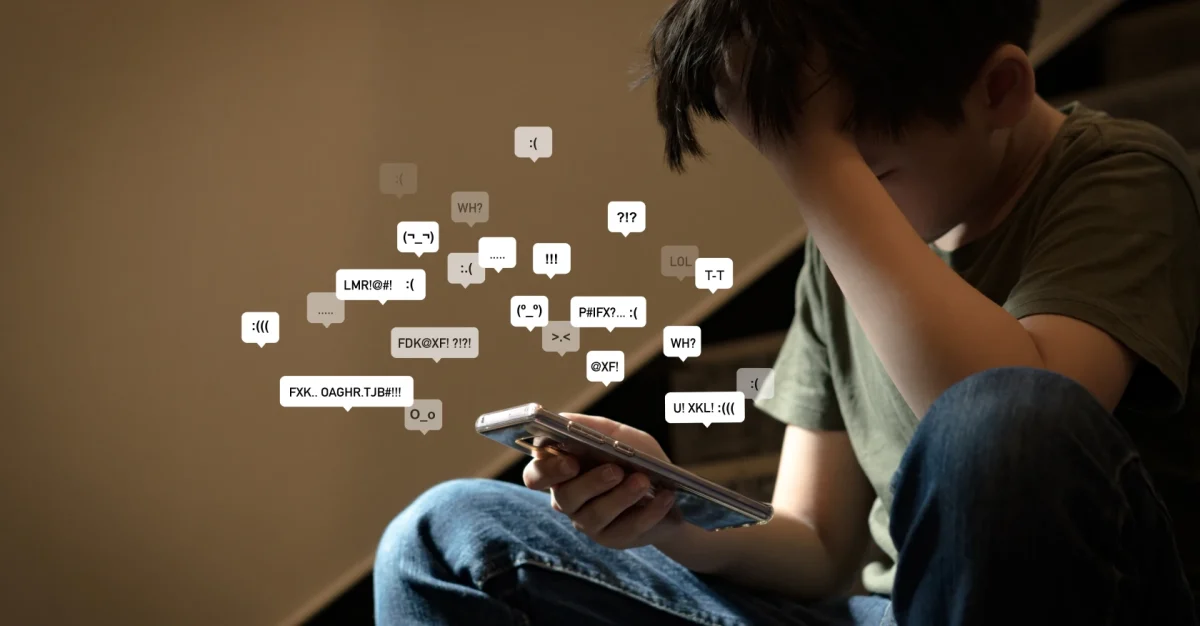
Experts point to several causes behind declining sleep habits, including demanding academic workloads, extracurricular activities, changing biological sleep patterns and increased late-night screen use. As teenagers balance school responsibilities and personal activities, developing healthy sleep habits becomes increasingly important for supporting learning, mental health and overall well-being.