

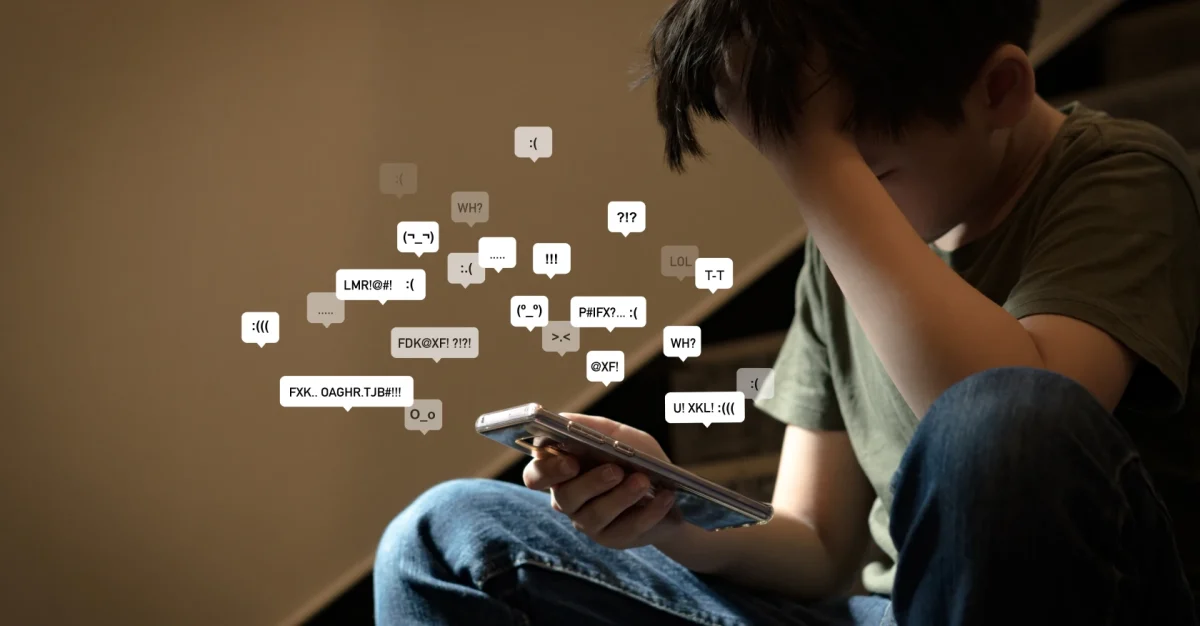





Cyberbullying is a widely condemned act of online violence, but the conversation around it has become absolutist that it risks deteriorating both personal accountability and free expression. Not every crude comment, disagreement, or poorly received joke online should be assigned to the rank of “bullying”, yet the term is often applied that way, blurring the distinction between genuine harassment and simply encountering opinions we may dislike. True cyberbullying is targeted, malicious behavior that deserves serious attention and consequences. However, when all negative interactions are framed as harmful, it promotes a culture where discomfort is avoided rather than navigated.
A 2018 study by Pew Research Center found that a significant share of American teenagers have encountered online bullying, with 59% reporting that they had been victims of some form of online harassment. These findings highlight how widespread negative online interactions have become among youth, reflecting the growing influence of social media and digital communication in their daily lives. At the same time, not all instances carry equal weight or severity. Some involve minor conflicts that mirror long-standing social friction among teenagers, now amplified in a more visible digital space.
That said, dismissing the issue entirely would be misguided. Serious cases involving repeated targeting, threats, or humiliation can have real psychological consequences. The internet, by nature, is an open and often abrasive environment shaped by diverse perspectives, many of which will inevitably clash. Expecting it to be entirely safe, affirming, or free from criticism is unrealistic. Overusing the label of cyberbullying can dilute the meaning of genuine harm and discourage honest dialogue. A balanced approach is needed, one that protects individuals from real abuse while preserving space for disagreement, humor, and resilience in open discourse. Such balance encourages critical thinking and emotional maturity without defaulting to censorship or excessive protection mechanisms.
Photo credit: Gov Tech (Beau Yarbrough, Los Angeles Daily News)